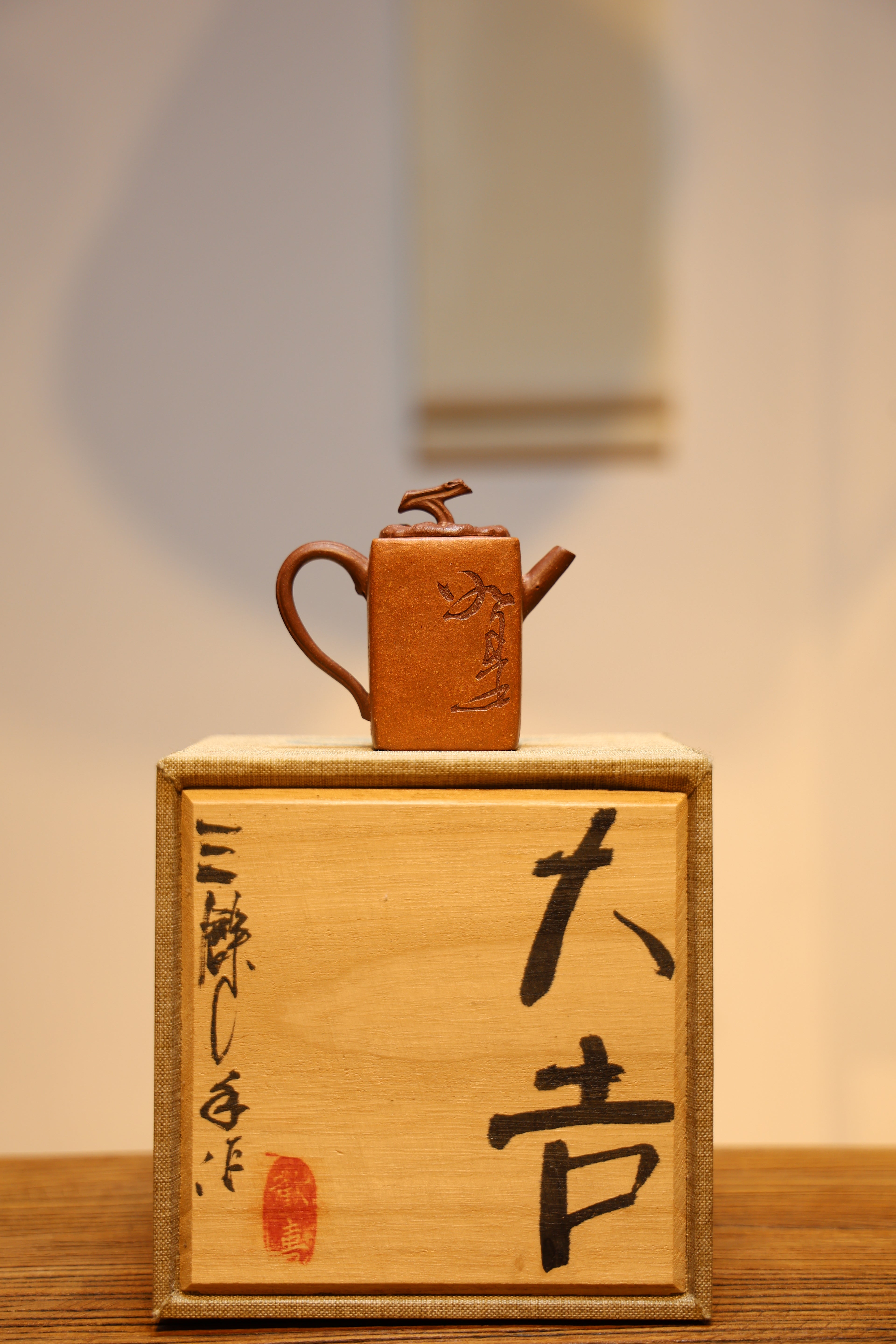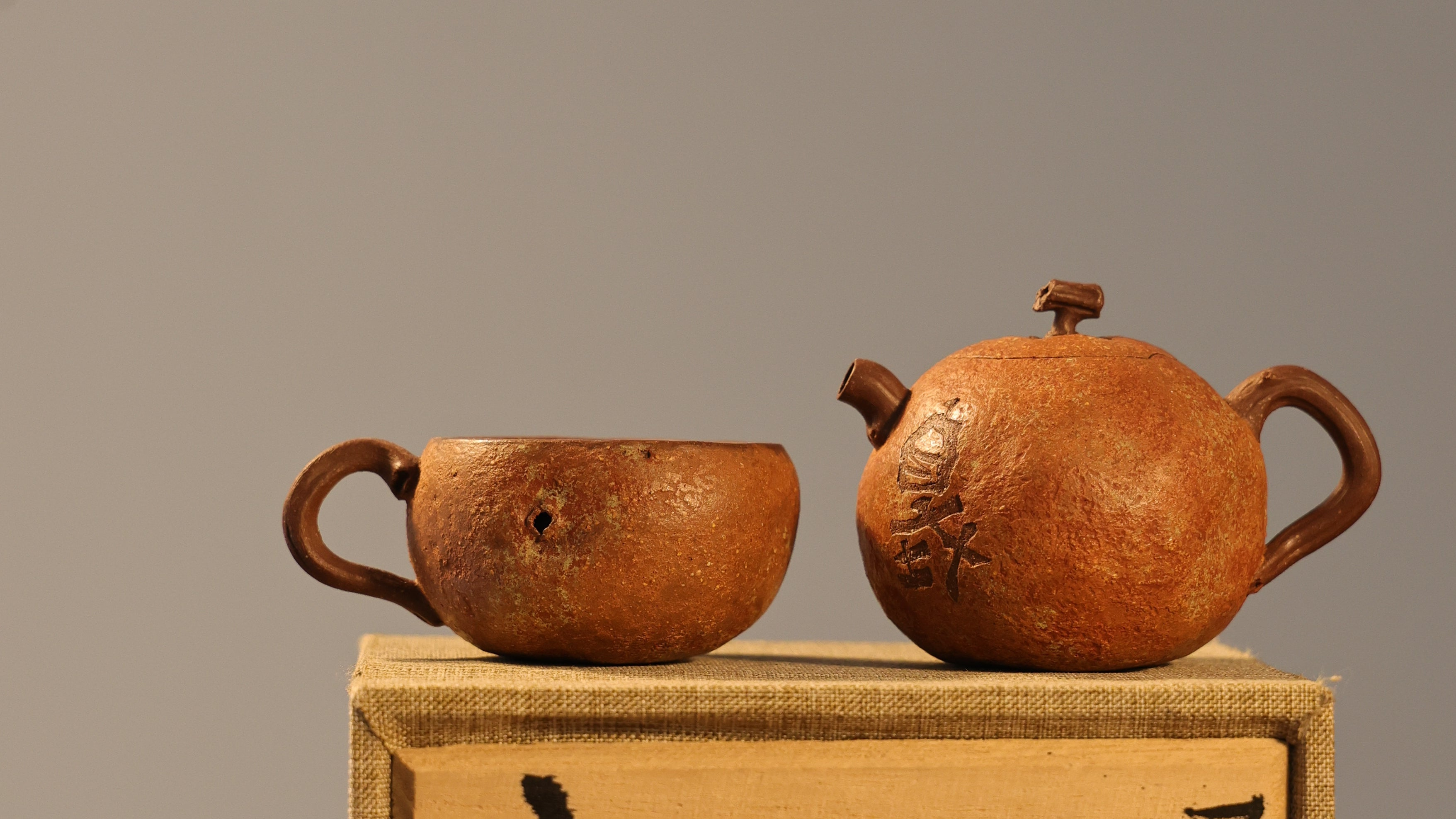
Generations in experts have long favored the unique attraction of Yixing Zisha pots. Originating in the small town of Yixing, the country, these vessels are shaped from a unique and sourced purple clay renowned for its exceptional thermal properties and efficacy to intensify the bouquet of infusions. Apart from their functional appeal, Zisha teapots exemplify a lasting social background, turning them extremely treasured and a undisputed jewel for any serious teapot connoisseur.
Uncovering Yixing Vessels
These teapots highlight a singular integration of history and traditional craftsmanship. Originating in Yixing, Jiangsu Locale of China, their narrative stretches the Ming Dynasty, although indications suggest earlier models. The distinctive purplish clay, called Zisha, found just in the Yixing region, is the crucial component, contributing to the pots' superior heat conservation and the manner they affect the quality of tea. Lineages of potters have perfected techniques—often conveyed through families—including shaping the clay, applying exquisite embellishments, and firing the pots at specific temperatures.- Earlier, Yixing teapots were often embellished with simple designs.
- Later, more advanced carvings and figurative motifs became prevalent.
- The firing process itself is a key element, requiring prolonged intervals of experience.
Collecting Zisha Teapots: Vital Checkpoints
Initiating a campaign to gather Zisha containers can be fulfilling, but it’s necessary to learn what to examine. Authenticity is fundamental; focus on the earth’s natural tinge, a subtle reddish-brown is characteristic. Examine the consistency; genuine Zisha has a unique tactile sensation, often characterized as slightly unequal. The shape should be appealing and consistent with conventional styles, while signatures, if present, require meticulous examination for accuracy. Don’t hesitate to consult with seasoned specialists or dependable references – their expertise is precious.
Oriental Vessels: Investigating the History of renowned Purple Clay
Epochs have seen Yixing Yixing Clay teapots keep a exceptional role in Chinese tradition. These meticulously formed pots, sourced exclusively from the area of Yixing, are celebrated for their identifiable Zisha Teapot cast, nature, and their ability to heighten the aroma of brews. Several collectors pursue antique Yixing teapots, appreciating them deeply not only for their aesthetic loveliness, but also for the records they express.
Yixing Zisha Teapots: A Finest Varieties and Their Features
Purple Clay teapots, coming from the Yixing area of Yixing, the People’s Republic, are renowned for their unique clay and outstanding brewing capabilities. Amidst the different Zisha types, selected types that are highly esteemed include Zhuni. Binzhou, known for its dark purple shade and smooth texture, delivers a tempered flavor. Duan Ni species, recognizable by its auburn color and mildly grainy feel, is considered to enhance tea’s substance. Lastly, Zhuni form boasts an unique ruby tone and can lend a sweet nuance. Each category grants a unique experience, making them considerably desirable between infusion enthusiasts.
Brewing Perfection Specific Pottery Pot
To unlock the virtue of your Yixing container, grasping the correct modus operandi is indispensable. These clay vessels, celebrated for their porosity, will continually develop the essence of the tea you cook within them. Begin by cleaning the jar thoroughly with boiling water. Then, use only premium unpacked leaf tea, as lower quality options can affect the clay’s delicate qualities. Always allow the leaves to expand completely, and remember that with each preparation, your Yixing kettle will become continuously special.
Securing Your Priceless Zisha Treasure
Proper treatment for your Zisha teapot is important to maintaining its durability and worth. Zisha clay, acclaimed for its unique coloration and makeup, requires delicate handling. Never use caustic detergents, as these can ruin the covering. After every brewing, rinse the urn with tepid water and allow it to dehumidify completely.
- Refrain from soaking the container for extended periods.
- Intermittently use a soft wiping cloth to polish the exterior.
- Deliberate applying a thin layer of food-grade mineral oil inside the pot after drying, which can limit staining.
Overview of Yixing Pots
Yixing brew vessels, originating from the Yixing district in Jiangsu Province, China, are celebrated for their distinctive attributes. Constructed from the unique purple compound known as Zisha, these vessels are prized by infusion enthusiasts worldwide. This primer will plainly explain the fundamentals – covering classes of Zisha ground, prevailing shapes, and important care guidance. Understanding the tradition of Yixing pitchers can heighten your appreciation for this traditional example of Eastern craftsmanship.
Technique of Asian Teapots: Focusing on Zisha made in this city of Yixing
Zisha substance from the Yixing territory represents the pinnacle of Yuan vessel design, possessing a singular amalgamation of raw beauty and effective artistry. These famous pieces are esteemed for their saturated tints, often ranging from deep purples and rust hues to subtle greys and delicate beiges. The specific mineral composition of the regional Zisha earth imparts a typical texture and produces a pleasing aroma that enhances the overall extract experience, affording them notably admired collectibles and key components of any serious practice.